I’d used Android for years and always assumed my mild iPhone envy was just about the camera and the resale value. So I actually tried switching from Android to iPhone for a full month, used it as my only phone, and then switched straight back to Android for another month right after — no easing into it, no cherry-picking which parts to compare. What I regretted about each one wasn’t what I expected going in.
What Actually Won Me Over on iPhone
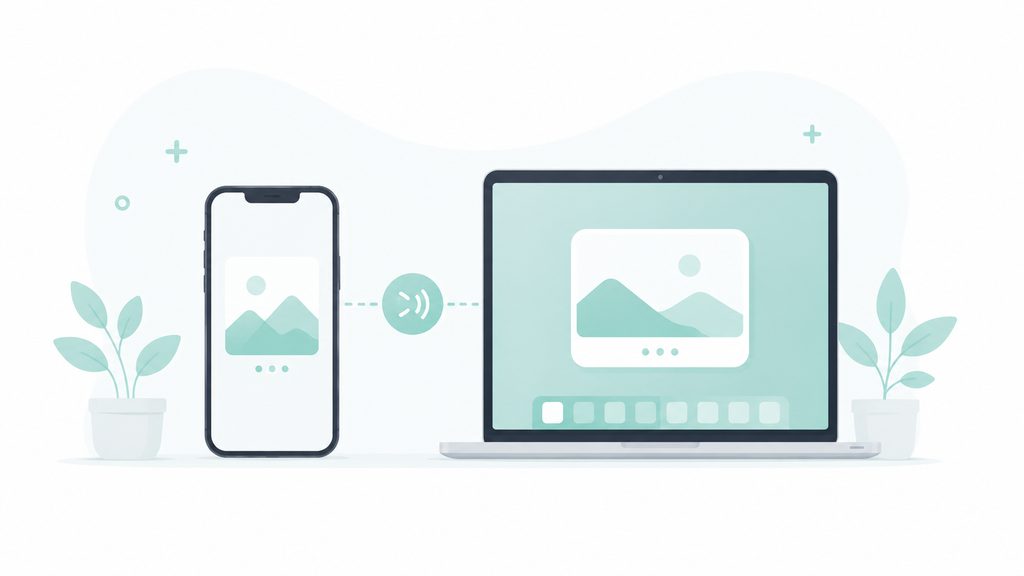
The ecosystem integration was the biggest thing that genuinely impressed me, and it’s not something you can appreciate from a spec sheet. AirDrop just working, instantly, without either device asking to confirm a Bluetooth pairing first, made sharing photos with other iPhone users feel almost invisible compared to what I was used to. Handoff — starting an email on the phone and picking it up mid-sentence on a laptop — worked more reliably than I expected, especially since I’d assumed “it just works” marketing was mostly exaggerated.
Camera consistency was the other genuine surprise. Photos looked similar in color and exposure across different lighting conditions in a way that felt more predictable than what I was used to, even if the raw detail wasn’t always sharper.
What Actually Won Me Over on Android
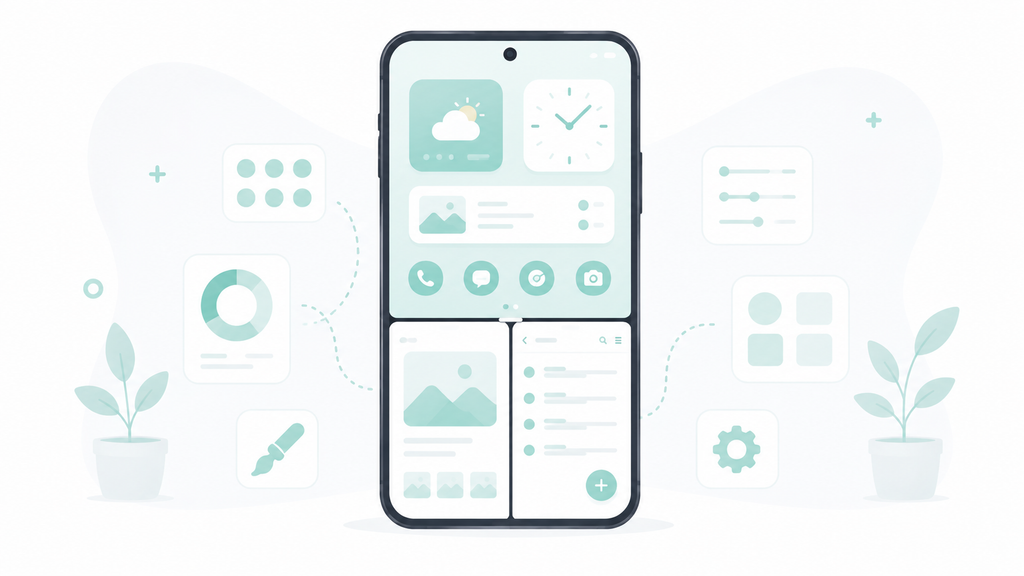
Customization is the obvious answer, but it undersells how much it actually changed daily use rather than just being a nice-to-have. Being able to set a genuinely different home screen layout, swap the default launcher, and pick which app opens a link by default made the phone feel like it adapted to how I already used it, rather than the other way around.
Notification density was the bigger, less obvious win. Android’s notification shade shows more information per notification without needing to tap in, and grouping behaves more the way I’d want it to across different apps — during the iPhone month, I found myself opening apps just to see details Android would have shown directly in the notification itself.
Split-screen multitasking, genuinely used rather than a checkbox feature, made comparing two apps side by side — a map and a reservation confirmation, for example — noticeably easier than switching back and forth on iPhone.
What I Actually Regretted About iPhone
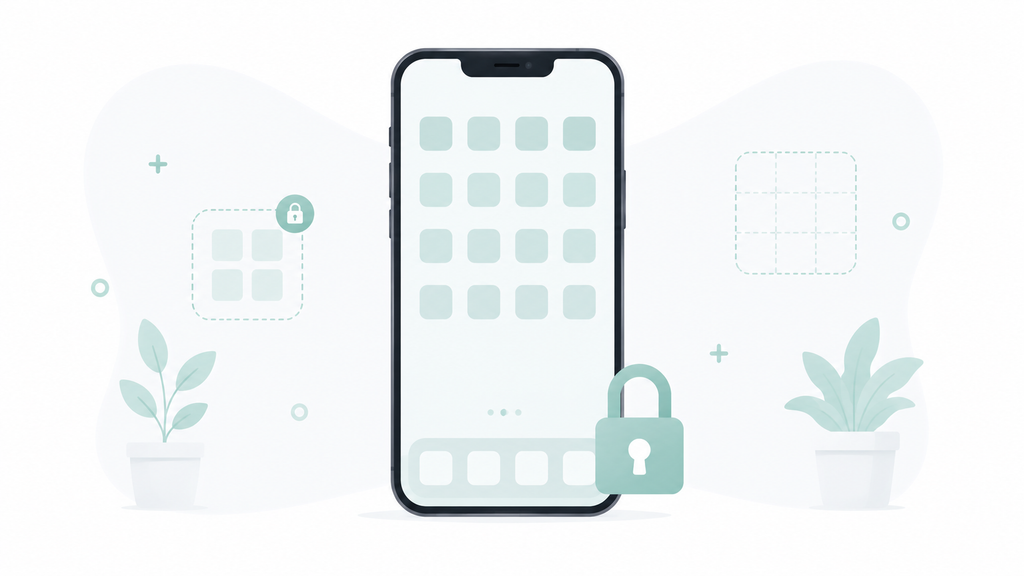
Customization limits were the most persistent annoyance, and they compounded over the month rather than fading. Not being able to set a different default browser that actually changed link-opening behavior everywhere, or being stuck with the same grid-of-icons layout with only minor widget flexibility, made the phone feel less like mine the longer I used it.
The Files app, iOS’s answer to a general file manager, felt restrictive in ways that only became obvious once I needed to actually manage files rather than just view them — moving files between specific folders or connecting to a network drive took more steps than felt necessary.
One smaller thing worth mentioning briefly: messaging with Android users came with its own separate set of quirks around group chats and media quality, which is its own topic entirely — I covered that specifically here rather than getting into it again in this comparison.
What I Actually Regretted About Android (Switching Back)
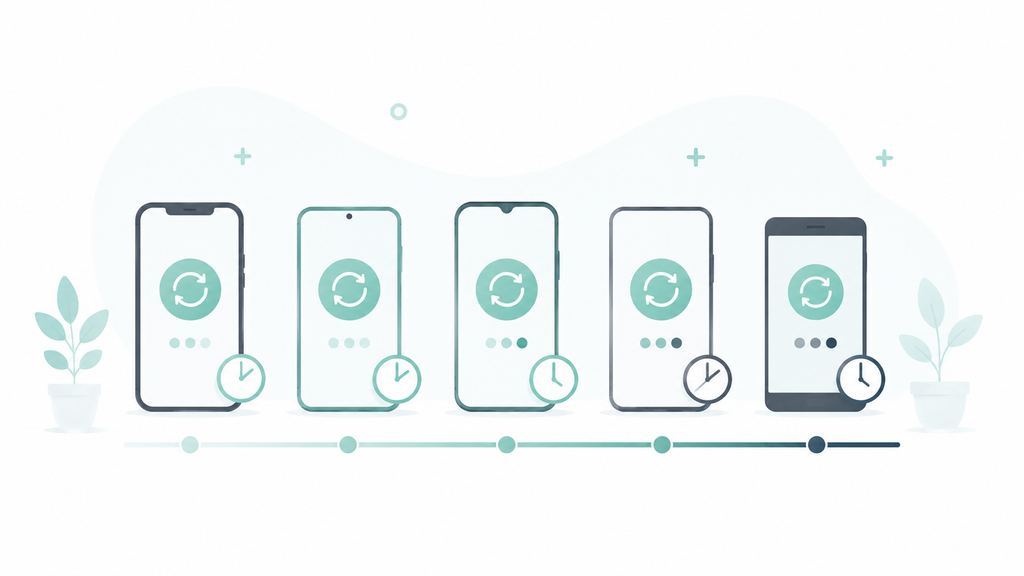
Update consistency was the biggest regret, and it’s specifically a manufacturer issue rather than an Android issue in general — a security patch or feature update that ships to one phone model can lag behind on another for weeks or months, which never happens the same way across the iPhone lineup.
Background app management varied more than expected between manufacturers, too. Some phones aggressively kill background apps to save battery in ways that occasionally broke notifications from messaging or fitness apps arriving on time, and the fix wasn’t consistent — it depended on digging into manufacturer-specific battery settings that don’t exist in the same form on every device.
Camera processing consistency, ironically, cut the other way here — photos varied more noticeably between different lighting conditions than they had on iPhone, even on the same phone, which made results feel less predictable shot to shot.
What to Actually Consider Before Switching
If a full switch is on the table rather than just curiosity, here’s what’s actually worth checking based on this comparison, rather than spec sheets alone:
- Test AirDrop/Handoff-equivalent workflows you’d actually use daily, not just once. The ecosystem features that feel impressive in a demo are the ones worth stress-testing over a normal week before deciding they matter.
- Spend real time in the notification shade of whichever phone you’re moving to. This is one of the most-used parts of a phone and also one of the most different between platforms — a quick glance in a store won’t reveal how it feels after a week of actual notifications.
- Check if your specific Android phone model has a track record for timely updates, since this varies enormously between manufacturers rather than being a blanket Android trait.
- If group messaging with a mix of iPhone and Android contacts matters, look into that separately rather than assuming it’ll work itself out — it’s its own set of quirks regardless of which direction you’re switching.
- Give it a genuinely full month before deciding, not a weekend. Several of the regrets on both sides in this comparison only became clear after the first week or two of normal use, not immediately.
Frequently Asked Questions
Is switching from Android to iPhone (or vice versa) actually as difficult as people say? The technical transfer of photos and contacts is usually straightforward. What’s harder to predict is the daily-use adjustment — notification habits, customization expectations — which took longer to settle than the setup process itself.
What’s the biggest adjustment when switching to iPhone? In this comparison, the loss of customization — default apps, home screen flexibility — was the most persistent adjustment, more so than any specific missing feature.
What’s the biggest adjustment when switching to Android? Update consistency and background app behavior varying by manufacturer stood out the most, since neither is something a single spec sheet comparison would reveal in advance.
How long should someone actually try a new platform before deciding? A full month held up better than expected in this comparison — several regrets on both platforms only became apparent after the first couple of weeks of ordinary, non-curious use.
The Real Difference
What actually mattered after switching from Android to iPhone and back over two full months wasn’t any single headline feature — it was how much daily friction accumulated around notifications and customization on iPhone, versus how much accumulated around update consistency and background app behavior on Android. Both showed up gradually, not on day one, which is exactly why a short test drive in a store rarely tells the real story.
📍 Read Next: If messaging between iPhone and Android is part of what’s holding a decision back, that’s worth its own separate look — Why Do My Texts Show Up Green? I Actually Looked Into It. covers that side of it in more depth.