Dry out a wet phone fast enough, and the advice online is endless: rice, silica gel packets, a fan, direct sunlight, even a hair dryer despite most people knowing better by now. After a phone took an unexpected trip through a puddle at a parking lot, I had a reason to actually test a few of these side by side instead of just picking whichever one sounded most familiar.
I used three phones in similar condition — not the same device, but same model, same water exposure time, tested a few weeks apart — to compare the most commonly recommended methods. Here’s what actually dried them out, and what mostly just wasted time.
Why “Dry Out a Wet Phone” Advice Varies So Much
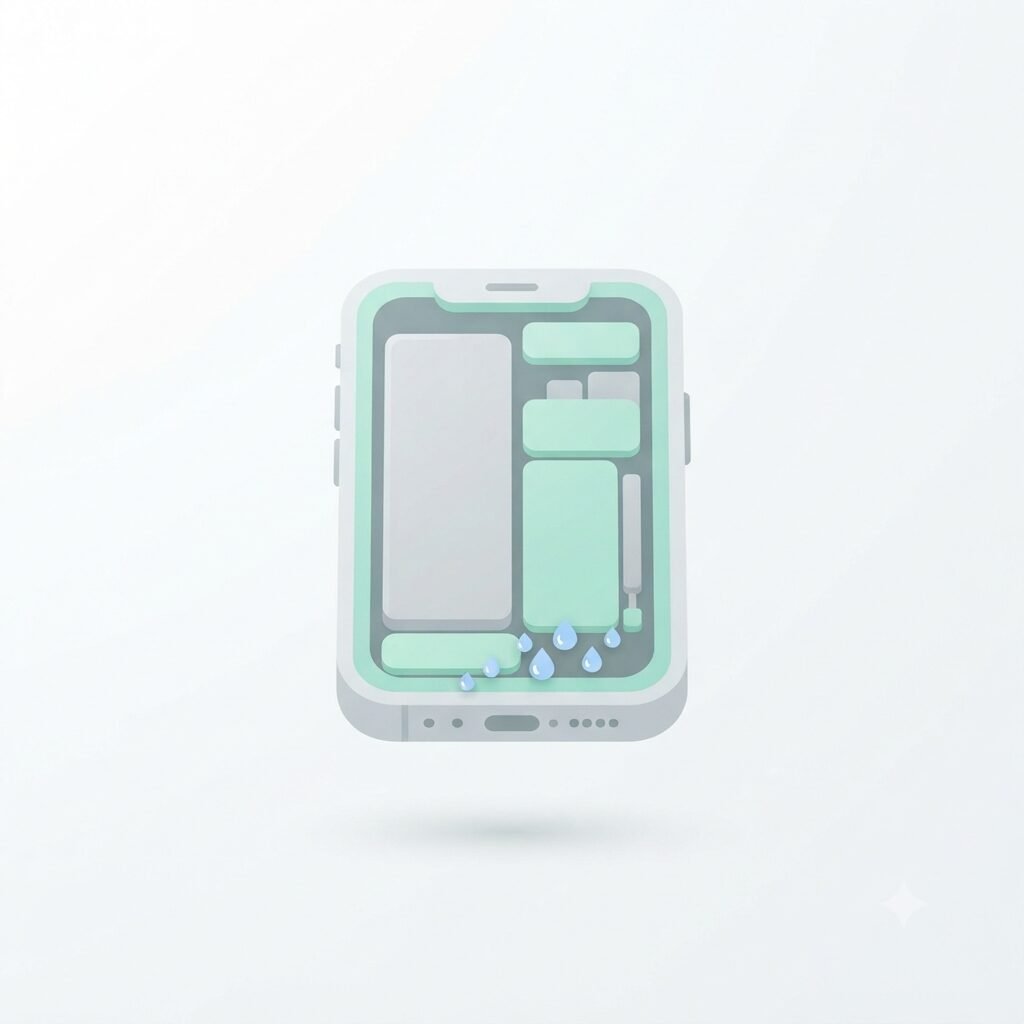
Most of the disagreement online comes down to people mixing up two different problems: surface moisture and trapped internal moisture. Wiping a phone dry solves the first one immediately. The second one is what actually causes long-term damage, and it’s the part every method online is really trying to address.
Trapped moisture sits in ports, speaker grilles, and gaps around buttons where it can’t evaporate on its own quickly, and it’s what eventually causes corrosion if left long enough.
What I Actually Tested

Rice: Submerged the phone in a bowl of uncooked rice for 48 hours, a method still repeated constantly despite widespread pushback against it.
Silica gel packets: Surrounded the phone with a dozen silica gel packets in a sealed container for 48 hours, the method most commonly recommended as a rice alternative.
Just air-drying: Left the phone standing upright in a well-ventilated room for 48 hours with nothing else done to it.
Fan-assisted air drying: Same setup as air-drying, but with a fan aimed at the phone’s port and speaker openings the entire time.
What Actually Worked
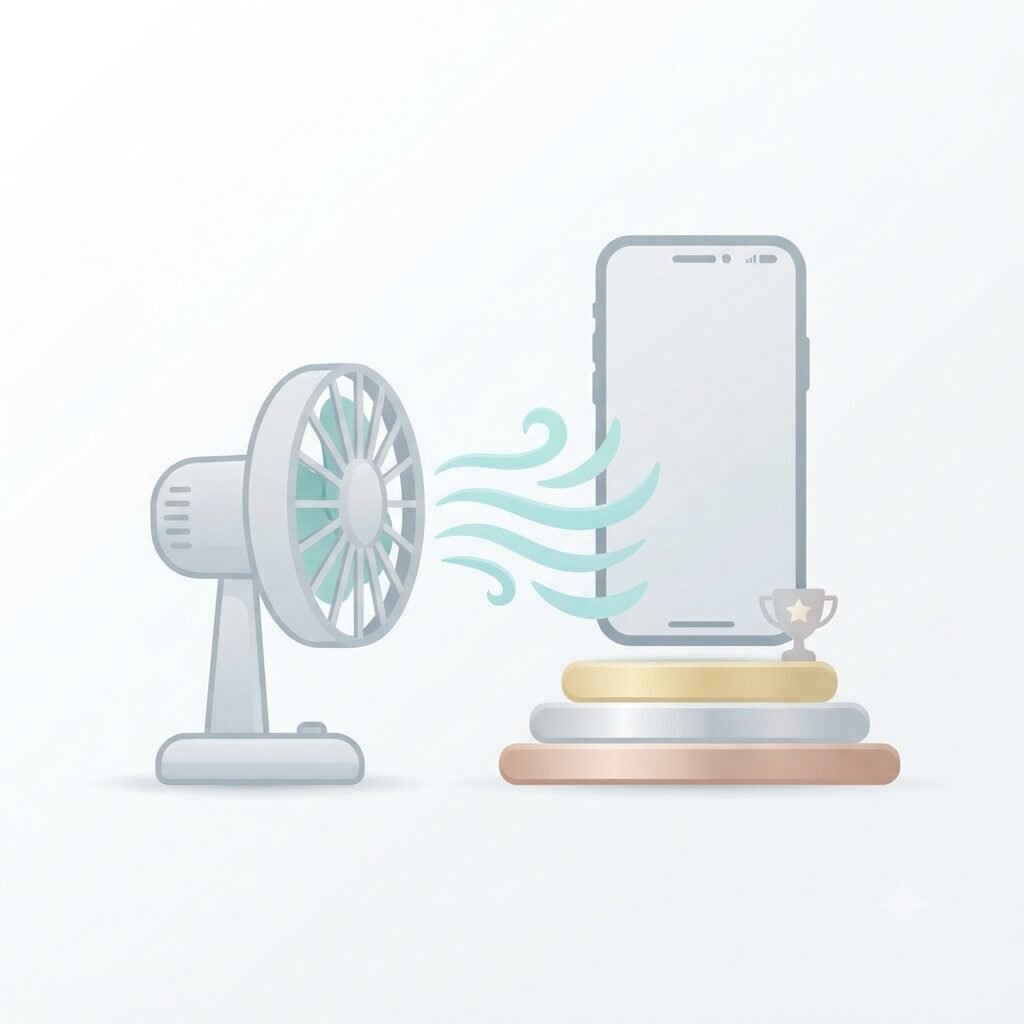
Rice performed the worst of the four. Beyond not measurably speeding up drying compared to plain air-drying, some rice dust ended up in the charging port, which then needed to be carefully cleaned out — an extra problem the method itself caused.
Silica gel packets performed noticeably better than rice, pulling moisture out faster than plain air-drying based on how quickly the phone powered back on without issues. Still, the improvement over doing nothing but waiting was moderate rather than dramatic.
Fan-assisted drying was the clear winner. Aiming steady airflow directly at the ports and speaker openings dried the trapped internal moisture noticeably faster than any other method tested, likely because moving air actively pulls moisture out of small gaps rather than just sitting near the device hoping it evaporates.
Plain air-drying without a fan came in a distant second to fan-assisted drying, but still clearly outperformed rice.
What This Means for What to Actually Do
If a phone gets wet, the most effective response based on this test is:
- Power it off immediately if it isn’t already off, since electrical activity while wet is what actually causes lasting damage, not the water itself
- Wipe visible moisture off the exterior right away
- Point a fan at the ports, speaker grilles, and any gaps for at least 24-48 hours before attempting to power the phone back on
- Skip the rice entirely — it doesn’t outperform simple air-drying and can introduce dust into ports
For the broader set of mistakes that make water damage worse in the first place, I covered those in more detail in my phone water damage guide.
Frequently Asked Questions
How long should I wait before turning my phone back on after it gets wet? At least 24-48 hours with active airflow is a reasonable minimum. Turning it on too early, while moisture is still trapped internally, is one of the more common ways people cause damage that otherwise would have been avoidable.
Does putting a wet phone in the freezer help at all? No — this introduces a separate risk of condensation forming inside the device as it warms back up, which can cause more damage than the original water exposure.
Are modern phones with water resistance ratings immune to this problem? Water resistance ratings apply to controlled lab conditions and typically degrade over time from wear on seals and gaskets, so a water-resistant phone can still be affected by extended submersion or by damage the phone has accumulated since it left the factory.
Should I take a wet phone to a repair shop right away instead of trying to dry it myself? For a brief splash or light exposure, drying it yourself first is reasonable. For a longer submersion or if the phone won’t power on after drying, a repair shop with proper equipment is worth the visit before assuming the damage is permanent.
The Real Answer
Rice, the most commonly repeated advice, turned out to be the weakest option tested, while simply aiming a fan at the ports and speaker openings for a day or two outperformed every other method by a clear margin. The instinct to try something more elaborate rarely beats moving air and enough time.
📍 Read Next: If a phone has taken on water more than once, it’s worth checking the habits that make water damage worse in the first place — Phone Water Damage: 5 Dangerous Mistakes You Make (And What to Do Instead) covers what to avoid.