Phone case drop test videos are everywhere, but most of them test a single case in isolation rather than comparing price tiers side by side. I’d always assumed more expensive automatically meant better protection, the same way I assumed a $10 case was basically just decoration. So I bought one case from each major price tier and dropped the same phone model from the same height onto the same surface, repeatedly, to see where the real difference actually showed up.
Here’s what held up, what didn’t, and where the price stopped buying meaningfully better protection.
Why Case Price Varies So Much
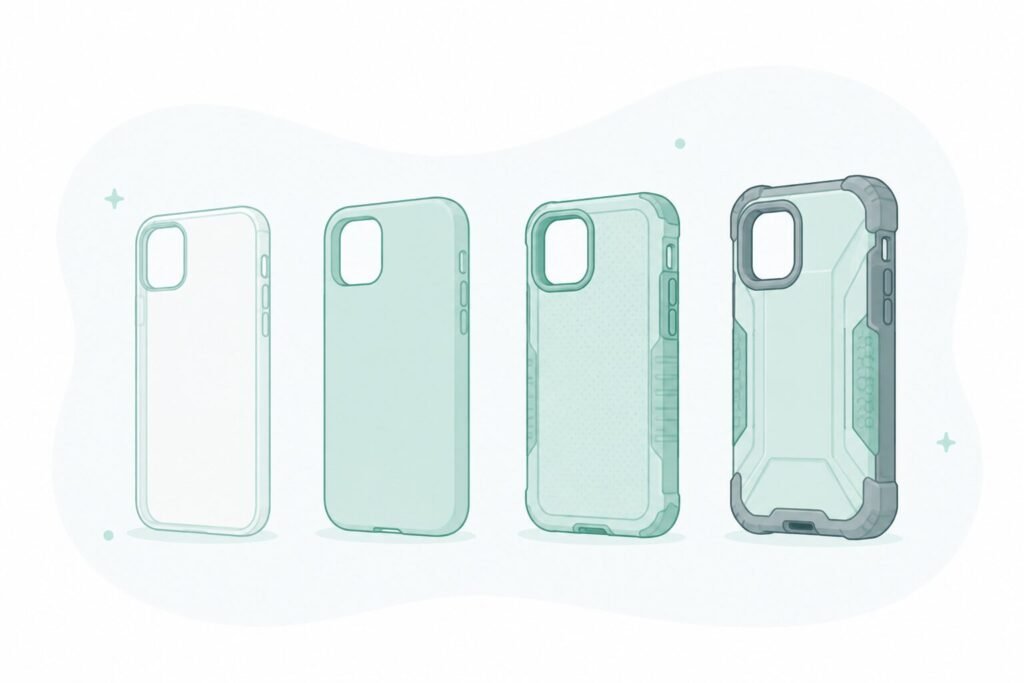
The price difference between case tiers usually comes down to a few specific factors rather than just brand markup.
- Budget cases (roughly $10-15) are typically single-layer silicone or hard plastic, with minimal shock absorption built into the corners
- Mid-range cases (roughly $20-35) usually add a dual-layer design — a softer inner layer plus a harder outer shell — and often include raised edges around the screen and camera
- Premium cases (roughly $40-60) typically carry a military drop-test certification rating and use more advanced impact-absorbing materials at the corners specifically
- Ultra-protective cases (roughly $70-80+) add a built-in screen protector, thicker overall bulk, and sometimes a kickstand or additional port covers
The Test Setup
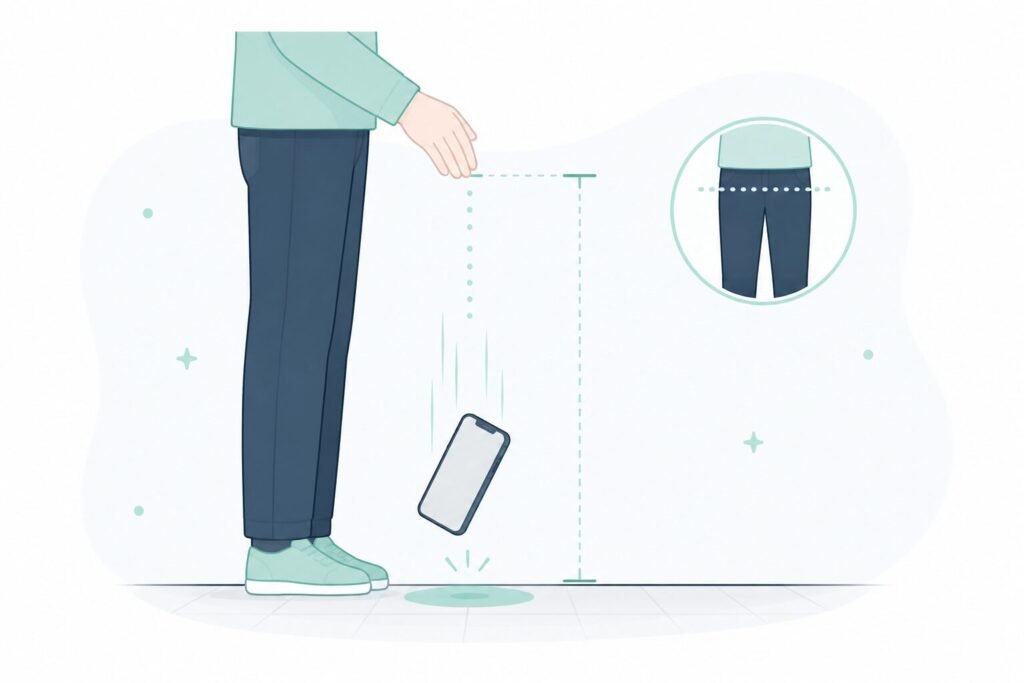
Each case was tested with the same phone model, dropped from the same height (roughly waist height, a common real-world drop scenario) onto the same hard surface, five times per case, alternating which corner or edge hit the ground.
Damage was assessed by checking for screen cracks, visible case cracking or separation, and whether the phone still powered on and functioned normally after each drop.
What Actually Happened at Each Price Tier
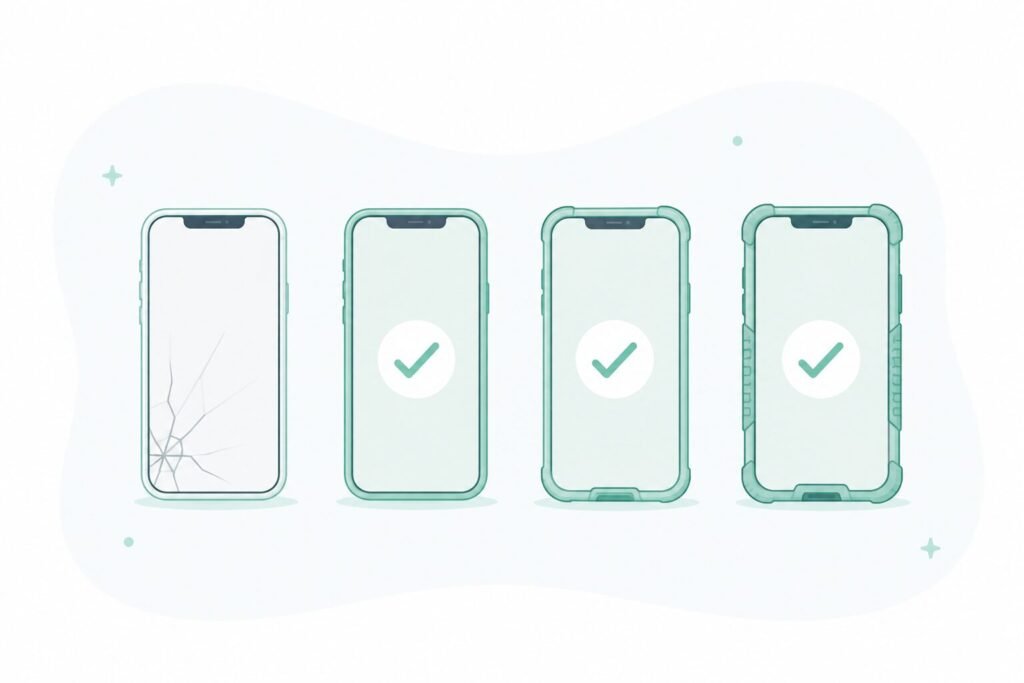
Budget tier: Survived three of the five drops without visible screen damage, but cracked at the case’s own corner on the fourth drop, after which the phone’s actual corner took a direct hit on the fifth with a small screen crack resulting.
Mid-range tier: Survived all five drops without any screen damage, though the case itself showed visible scuffing and one small crack in the outer shell near a corner by the end of testing.
Premium tier: Survived all five drops with no screen damage and only minor cosmetic wear on the case itself, showing a clear step up from the mid-range tier in how cleanly it absorbed repeated impacts.
Ultra-protective tier: Survived all five drops with no screen damage, performing essentially identically to the premium tier despite costing noticeably more, with the extra bulk and built-in screen protector being the main practical difference rather than better raw impact protection.
What’s Actually Worth Paying For
The clearest jump in actual protection happened between the budget tier and the mid-range tier, not between mid-range and anything above it.
Worth paying for: the jump from budget to mid-range, since dual-layer construction made a measurable difference in whether the case itself failed before the phone did.
Diminishing returns above mid-range: premium and ultra-protective tiers performed close to identically in this test, with the extra cost buying convenience features (built-in screen protection, additional bulk, certifications) rather than a meaningfully bigger jump in drop protection itself.
Worth considering regardless of case: how case condition affects resale value down the line, since a well-protected phone tends to hold up cosmetically better over time — something I covered in more detail in my phone trade-in value guide.
Frequently Asked Questions
Do military drop-test certifications actually mean anything? They indicate the case has been tested against a specific drop-height standard, but the standard itself varies by certifying lab and doesn’t guarantee real-world performance matches the lab conditions exactly.
Does a thicker case always mean better protection? Not necessarily past a certain point — this test found premium and ultra-protective tiers performed similarly despite a meaningful bulk difference, suggesting material quality at the corners matters more than overall thickness.
Is it worth combining a case with a separate screen protector? Yes, in most cases a screen protector adds a layer of scratch and minor-impact protection that a case corner alone doesn’t fully cover, since most screen cracks in drop tests originate from direct face-down impacts.
Does case protection matter for resale value, not just avoiding damage? Yes — a phone that’s been consistently cased tends to show less cosmetic wear, which is one of several factors that can affect a trade-in estimate later on.
The Real Answer
The biggest jump in actual drop protection happened between the cheapest tier and the mid-range tier, not between mid-range and the more expensive options above it, which performed almost identically to each other in this test. Paying more than a mid-range case mainly buys extra features rather than meaningfully better protection against the kind of drop most phones actually experience.
📍 Read Next: If a phone does end up damaged despite a case, it’s worth knowing what to do next — Phone Water Damage: 5 Dangerous Mistakes You Make (And What to Do Instead) covers the most common ways damage gets worse after the fact.