The ad promised I’d save $40 a month if I decided to switch phone carriers, and on paper the math looked obvious — cancel the old plan, sign up for the new one, pocket the difference. Three weeks and two unexpected charges later, the actual savings looked nothing like that ad. So I tracked every single cost, fee, and hour spent from the day I signed up with the new carrier to the day the old account was fully closed out, to see what switching actually costs versus what it advertises.
What the Ad Didn’t Mention
The advertised price was the plan cost alone — it didn’t include the one-time SIM or eSIM activation fee, the first month prorated at the old carrier’s higher rate before the cancellation went through, or the fact that my phone needed to be unlocked by the old carrier before it would even work on the new network, which took four business days I hadn’t planned for.
The Actual Costs, Line by Line
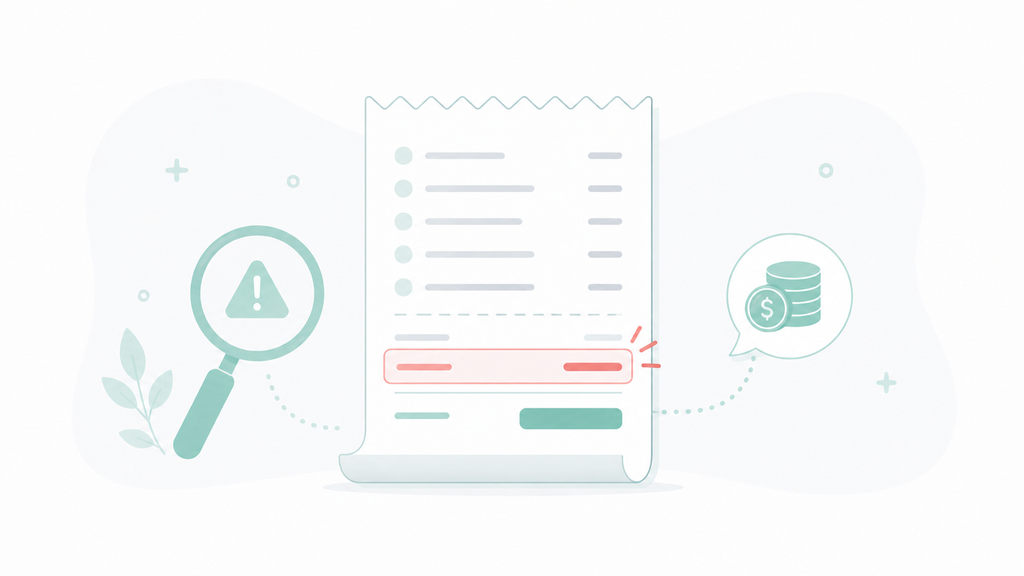
New carrier activation fee: a flat charge just for setting up service, separate from the monthly plan price advertised anywhere.
Old carrier’s final bill: prorated for the days used that month, plus the full remaining balance on a phone that was still being paid off in installments — switching carriers didn’t erase that debt, it just accelerated when it came due.
Two days without service while the number ported over, which I hadn’t budgeted for and which meant relying on Wi-Fi calling for anything urgent during that window.
A second, smaller charge a week later for a SIM swap I needed to request because the eSIM activation failed silently the first time and nobody flagged it until I noticed calls weren’t coming through.
What Actually Went Smoothly
Number porting itself, once it started, took under 24 hours from request to completion — the two days of no service were mostly the gap before the port officially began, not the port itself. Customer service on the new carrier’s side was responsive when I called about the failed eSIM activation, and the second SIM was reissued at no cost once they confirmed the error was on their end.
The Real Monthly Savings, After Everything

Once the switch fully settled and both accounts were closed out, the ongoing monthly savings were real — close to the advertised number, just not from day one. It took about two and a half months of the new lower bill before the one-time switching costs were fully offset and the savings actually became net positive.
What to Actually Do Before You Switch Phone Carriers
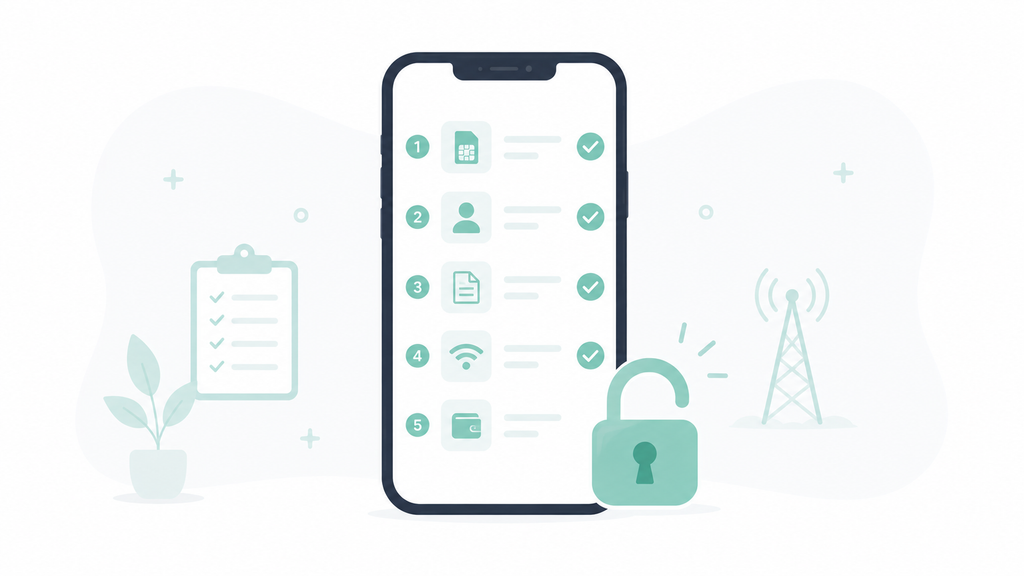
If you’re planning to switch phone carriers and want to avoid the surprises in this test, here’s what actually would have helped going in:
- Ask the old carrier for the exact device payoff balance before switching, not after. This number rarely appears anywhere in the new carrier’s advertised savings, and it can erase a month or more of the promised difference.
- Confirm the phone is unlocked before starting the switch, not during it. Unlocking can take several business days depending on the carrier, and starting that process early avoids a service gap.
- Ask specifically whether eSIM activation has a fallback if it fails. A failed silent activation isn’t rare, and knowing to check for it immediately avoids losing service for days without realizing why.
- Calculate savings from month three, not month one. One-time fees and prorated charges usually mean the real savings don’t show up until the second or third billing cycle.
- Keep the old account active for at least 48 hours after porting the number, in case anything needs to be reversed or a charge needs to be disputed while both accounts are still accessible.
Frequently Asked Questions
How long does it take to switch phone carriers? Number porting itself typically completes in under 24 hours once started, though the full process including device unlocking can take several days from start to finish.
Are there hidden fees when you switch carriers? Often, yes — activation fees, a final prorated bill from the old carrier, and any remaining device payoff balance rarely appear in advertised savings numbers.
Will I lose service while switching? A short gap is common, usually while a number ports over or an eSIM activates. Keeping Wi-Fi calling available during the transition covers most of that gap.
How soon do the advertised savings from switching carriers actually kick in? In this test, it took about two and a half months of the lower bill before one-time switching costs were fully offset and the savings became genuinely net positive.
The Real Difference
Out of everything that came up when deciding to switch phone carriers, the one-time costs — activation fees, the old carrier’s final bill, and the outstanding device balance — accounted for nearly the entire gap between the advertised savings and what actually landed in the first month. The ongoing monthly savings were real; they just took longer to show up than the ad implied.
📍 Read Next: If eSIM activation is part of the carrier switch, that step has its own separate list of things that can go wrong — I Switched to eSIM. Here’s Everything I Didn’t Expect. covers that side of it.